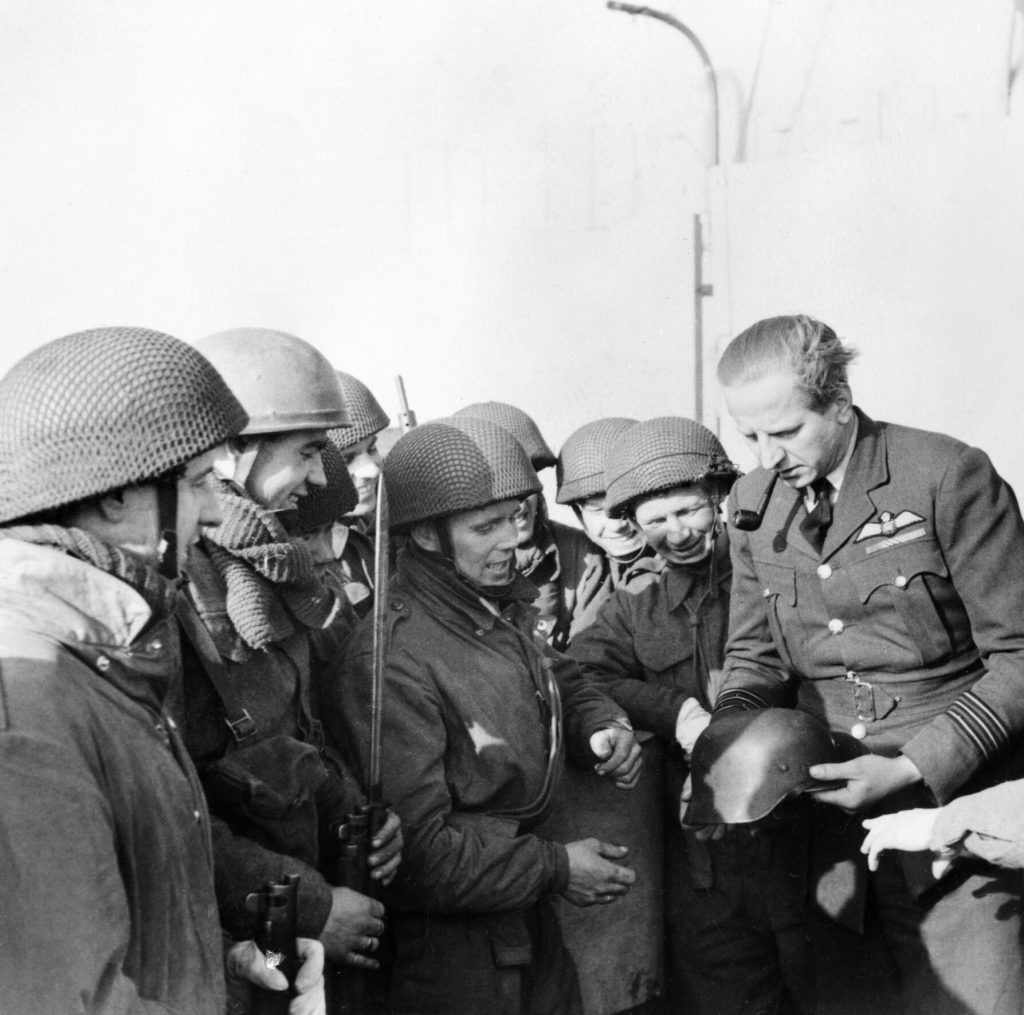
We are delighted to feature another guest post from David Coxon, Honorary Vice President of Tangmere Military Aviation Museum.
David writes:
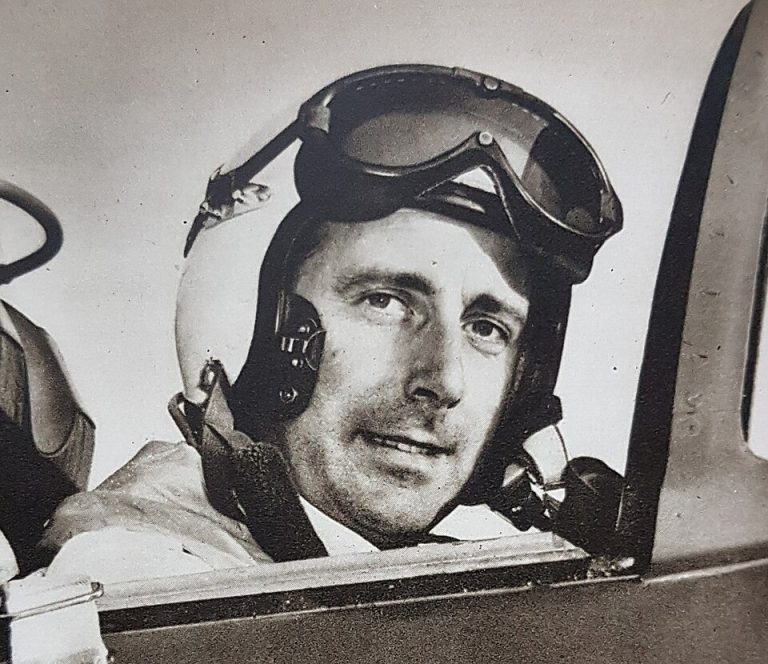
Percy Charles ‘Pick’ Pickard was born in Handsworth, Yorkshire in 1915. He was offered an RAF short service commission in 1936 and after initial flying training was posted to No 214 Squadron, equipped with the Handley Page Harrow bomber.
At the outbreak of war Pick joined No 7 Squadron equipped with the Handley Page Hampden light bomber but later moved to No 99 Squadron to fly the Vickers Wellington where he teamed up with navigator Sergeant Alan Broadley; they were to be together for the rest of Pick’s operational missions. The squadron attacked the Ruhr on the night of 19 June 1940 but Pick’s Wellington was hit by anti-aircraft fire and one engine was seriously damaged. The crew successfully ditched in the North Sea and were in a dinghy for 13 hours before being rescued by RAF High Speed Launches from Felixstowe. After completing a further 31 operations with No 99, Pick was posted to command No 311 (Czech) Squadron where his main task was to train the impatient Czechs for operations. On 24 September the squadron carried out its first operation to the ‘Big City’ (Berlin).
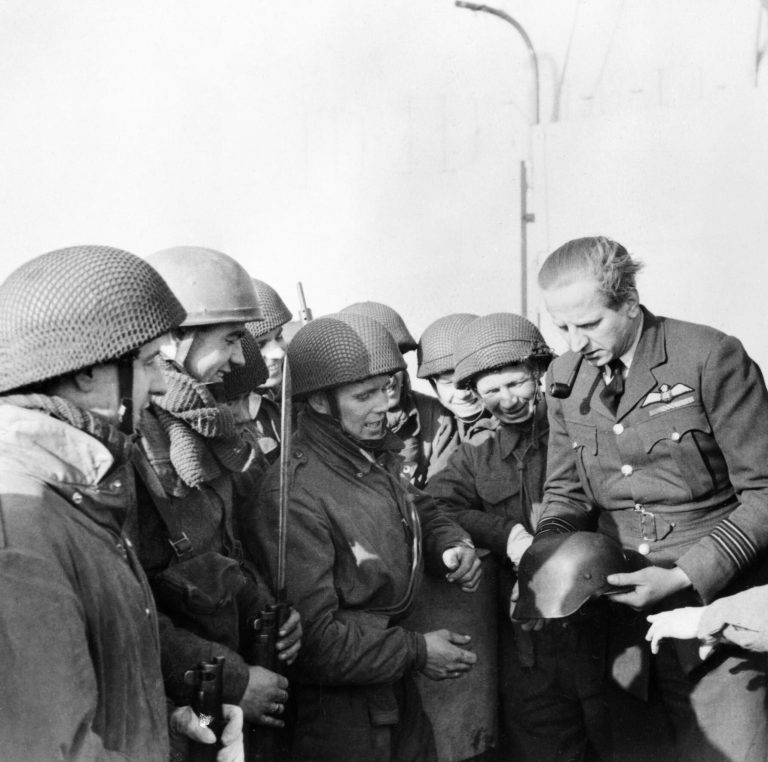
Early in 1941 the Air Ministry decided to make a documentary film about Bomber Command. Pick was selected to star in the film as Squadron Leader Dickson, Captain of Wellington ‘F’ for Freddie in the film ‘Target for Tonight’. The film was a box office triumph, recognising for the first time the crews of Bomber Command. On completion of the film in April 1941, Pick returned to operations and by July he had completed 65 operations. In December, he took command of No 51 Squadron flying Whitley bombers and two months later his squadron was detailed to drop 120 parachutists and a radar technician to seize parts of a German Würzburg radar on the French coast at Bruneval. The operation was a success with vital parts of the radar brought back. He was then posted to command No 161 Special Duties Squadron. Although the squadron was based at Tempsford, Bedfordshire, he was often to be seen at RAF Tangmere, the squadron’s forward base. He carried out his first Lysander operation from Tangmere in November delivering an agent to France without incident. He went on to complete seven Lysander operations and was instrumental in introducing the larger Lockheed Hudson into pick-up operations. With Squadron Leader Hugh Verity, he worked out the operating procedures that enabled this heavy twin-engined aircraft to operate from French occupied fields. On 13 January 1943 Pick carried out the first Hudson operation flying five agents into a field near the River Loire. However, next month, Pick’s Hudson became bogged down in a landing field requiring it to be dug out. Using full power he managed to get airborne. On finishing his tour with 161, Pike was awarded a third Distinguished Service Order, the first airman in wartime to be awarded three DSOs in the same war.
In May 1943 Pick was promoted group captain and in August, Alan Broadley joined him again and they flew their first Mosquito operation on 3 October, flying predictably ‘F’ for Freddie. In January 1944 the Mosquitos moved to Hunsdon and it was from here that Pick led a daylight raid on 18 February to bomb a prison at Amiens to blow holes in the perimeter wall to enable French Resistance prisoners to escape. The prisoners had been condemned to death and the low level raid was considered essential to save at least some of them. The raid was successful with accurate bombing by the Mosquitos. Sadly, Pick and Broadley’s Mosquito was shot down by a defending German Fw 190 fighter and both were killed. Group Captain ‘Pick’ Pickard DSO** DFC* and Flight Lieutenant J A Broadley DSO DFC DFM were buried by the Germans in St Pierre cemetery close by the walls of the Amiens Prison.