We are delighted to feature another guest post from David Coxon, Honorary Vice President of Tangmere Military Aviation Museum.
David writes:
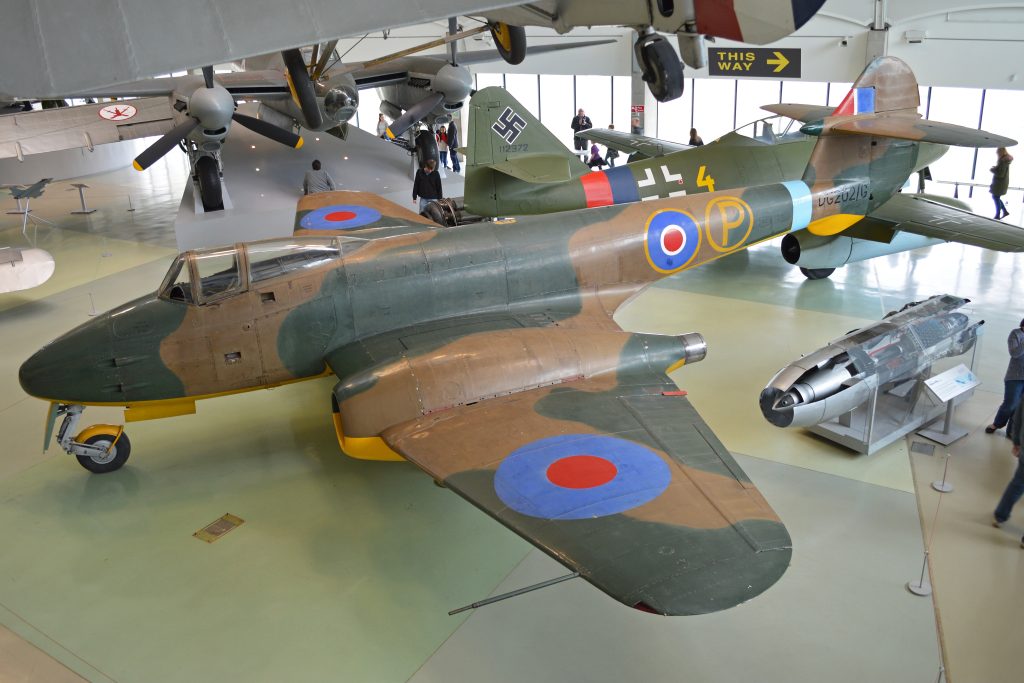
Michael Hemming was called up for National Service in January 1952 and after initial RAF training was posted to RAF Tangmere as a LAC armourer, attached to the station’s armoury and seconded to No 29 Squadron, a night fighter squadron equipped with the Gloster Meteor NF11.
Throughout the 1950s an air-to-ground firing range known as the Manhood Range (also known as Selsey Range 26A) was used by fighter squadrons from Tangmere and RAF Odiham and by naval squadrons from Royal Naval Air Station (RNAS) Ford. To operate the range six airmen, including Michael, with Flight Sergeant Peter Bone (a Second World War Spitfire fighter pilot) would collect a Land Rover from Tangmere’s motor pool and rations from the cookhouse and drive to the range centred on Ham Farm on the Manhood peninsular north west of the town of Selsey.
Covering some twenty acres the range’s boundary to the west was defined by water, known as the Broad Rife. The southern boundary was the shingle beach of Bracklesham Bay. At the east and west boundaries of the beach there were small wooden huts on which a red flag was raised when the range was in use.
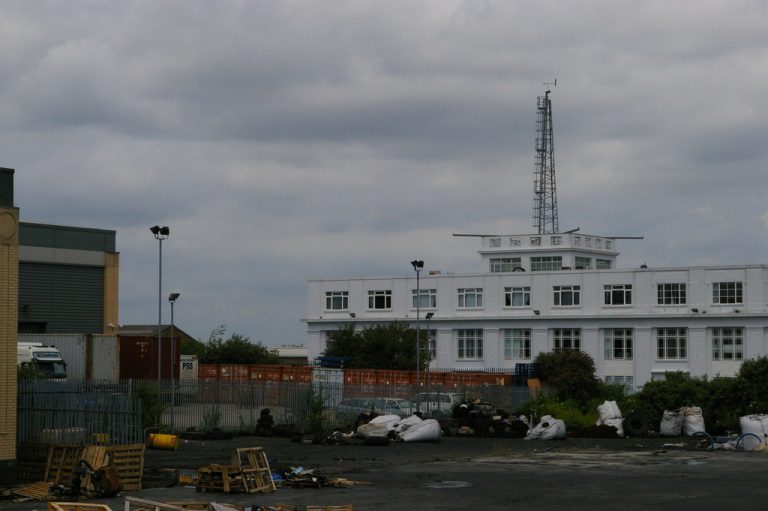
The range was controlled from a three story brick tower with electricity provided by a generator on the ground floor which enabled radio communications between the Flight Sergeant Range Controller and aircraft using the range. The ground floor was also used for storing the targets, the first floor was a mess room with cooking facilities and the top floor housed the control room, overlooking the range. Water had to be obtained from Ham Farm for tea making!
Aircraft using the range would arrive in flights of four to fire at four separate targets which were erected by the airmen. Each target consisted of a tubular metal frame about ten feet square with a balloon fabric target and canvas backing. Aircraft arriving over the range would fly a left hand circuit and would make their firing run to the west of Ham Farm, exiting the range via the shingle beach and Bracklesham Bay.
The Flight Sergeant would initially clear the aircraft for dummy runs and then live runs after which the airmen would mark the target with long coloured marking sticks. A typical radio transmission between ground control and the aircraft would be, “Red Two – you are clear for a live run on Target Two”. The aircraft would then dive at a 30 degree angle from about 3,000 feet and fire at the designated target. Often the targets were damaged and would collapse from the impact of the cannon shells, necessitating quick repairs by the airmen.
Occasionally, exciting events occurred. One instance Michael observed involved a Meteor pilot flying too low over the target area despite a warning from the Flight Sergeant. The aircraft was damaged when the top of the target was hit by the Meteor’s ventral fuel tank. This resulted in the aircraft venting fuel as it exited the range over the shingle beach and an immediate return to Tangmere. A more frequent occurrence was when an aircraft had a ‘runaway gun’ which continued to fire as it flew out to sea; the shell splashes being seen for a considerable distance across Bracklesham Bay. Sadly, a fatality occurred when two Supermarine Attacker aircraft from RNAS Ford collided to the north of the range and one of the pilots was killed.
The range continued to be used until its closure in 1964.